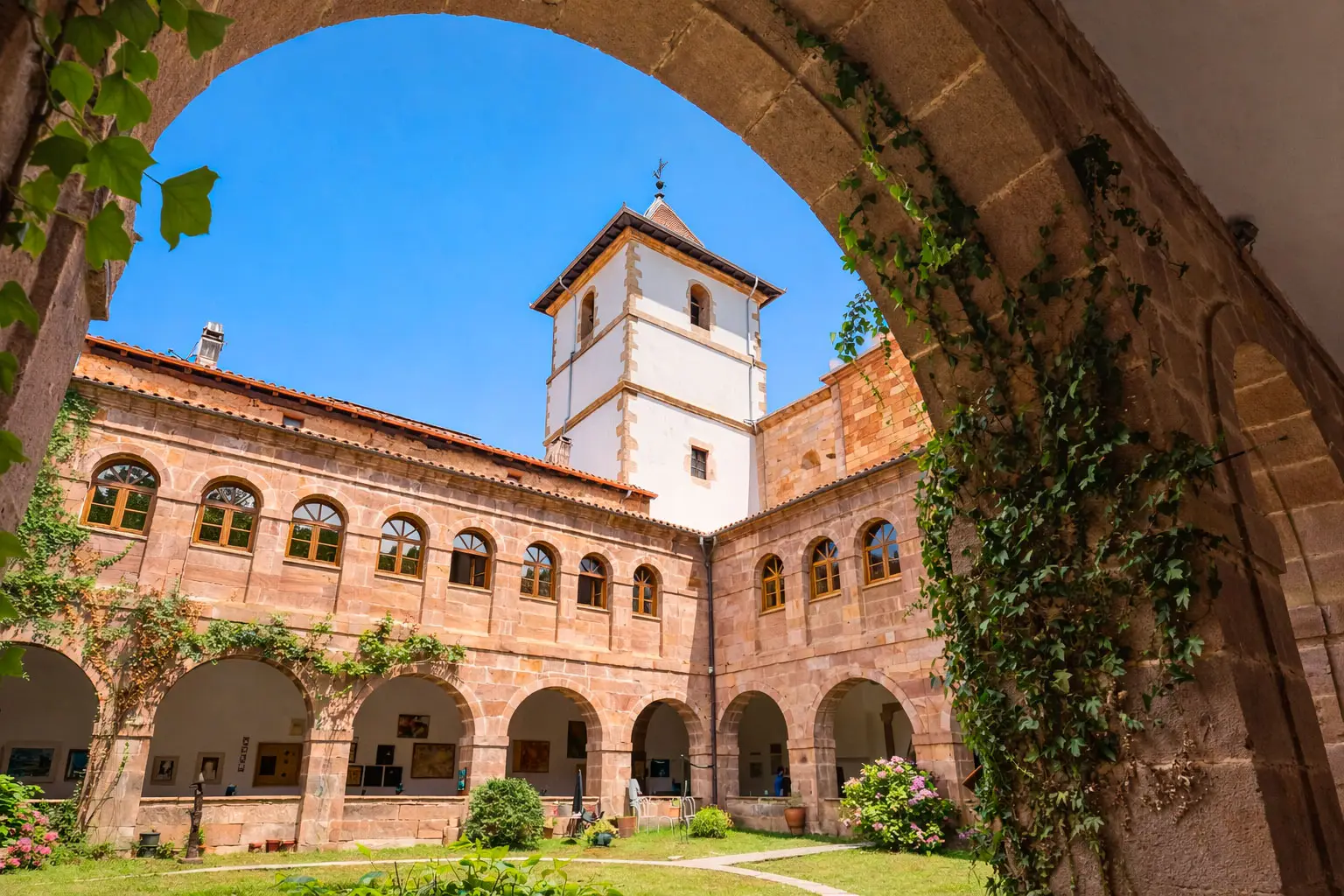


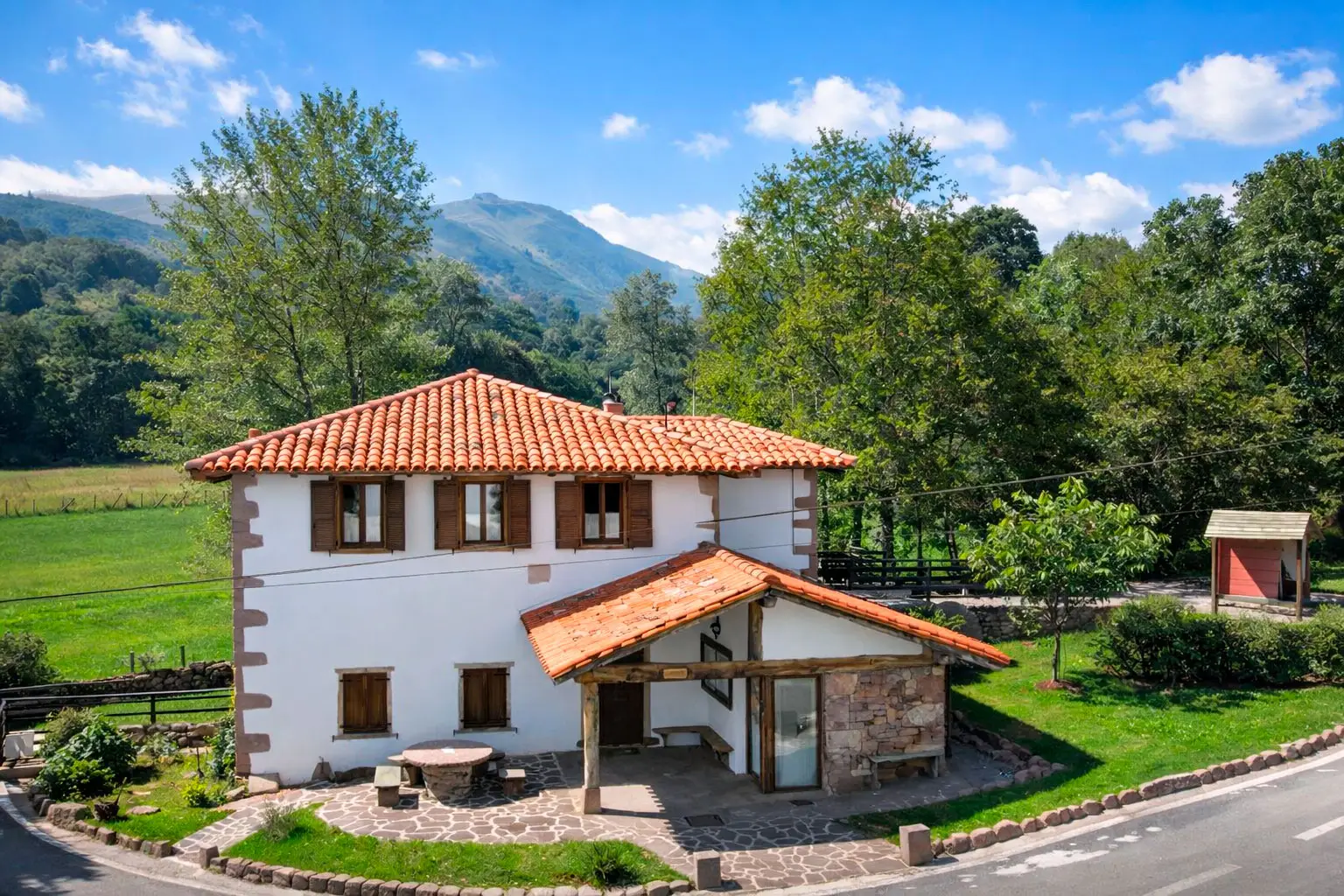
Mills and defensive towers are part of the historical and rural landscape of Baztán. Scattered across different parts of the valley, such as Urdax, Zubieta and Amaiur, these elements reflect the traditional water-based economy and the need to defend the territory. Many mills are preserved alongside rivers and paths, integrated into walking and hiking routes.
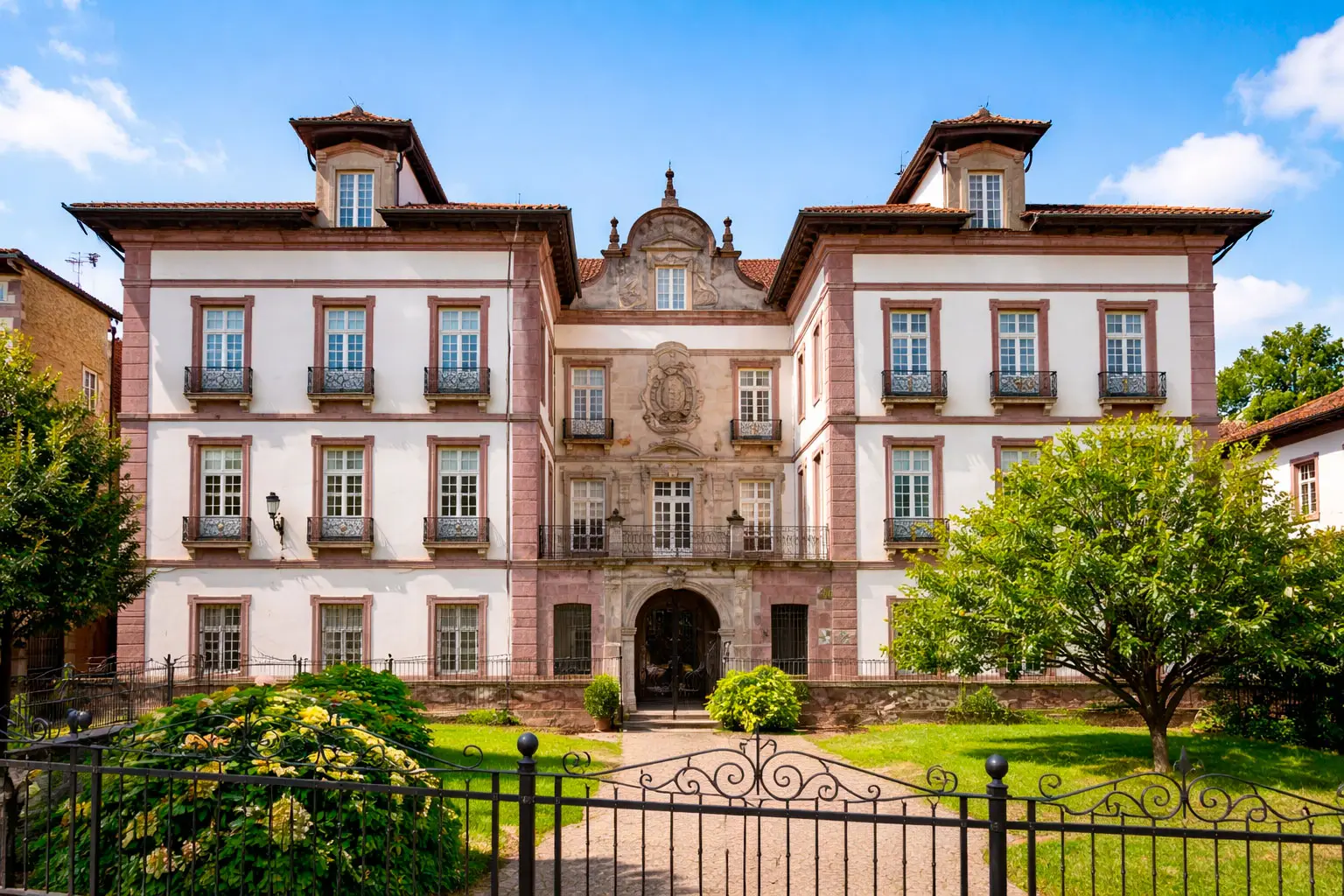
Arizkunenea Palace is one of the most emblematic civil buildings in Elizondo. Built in the 18th century, this Baroque palace stands out for its elegant façade and historical significance. Today it serves as a cultural centre, maintaining its central role in the social and cultural life of the valley.
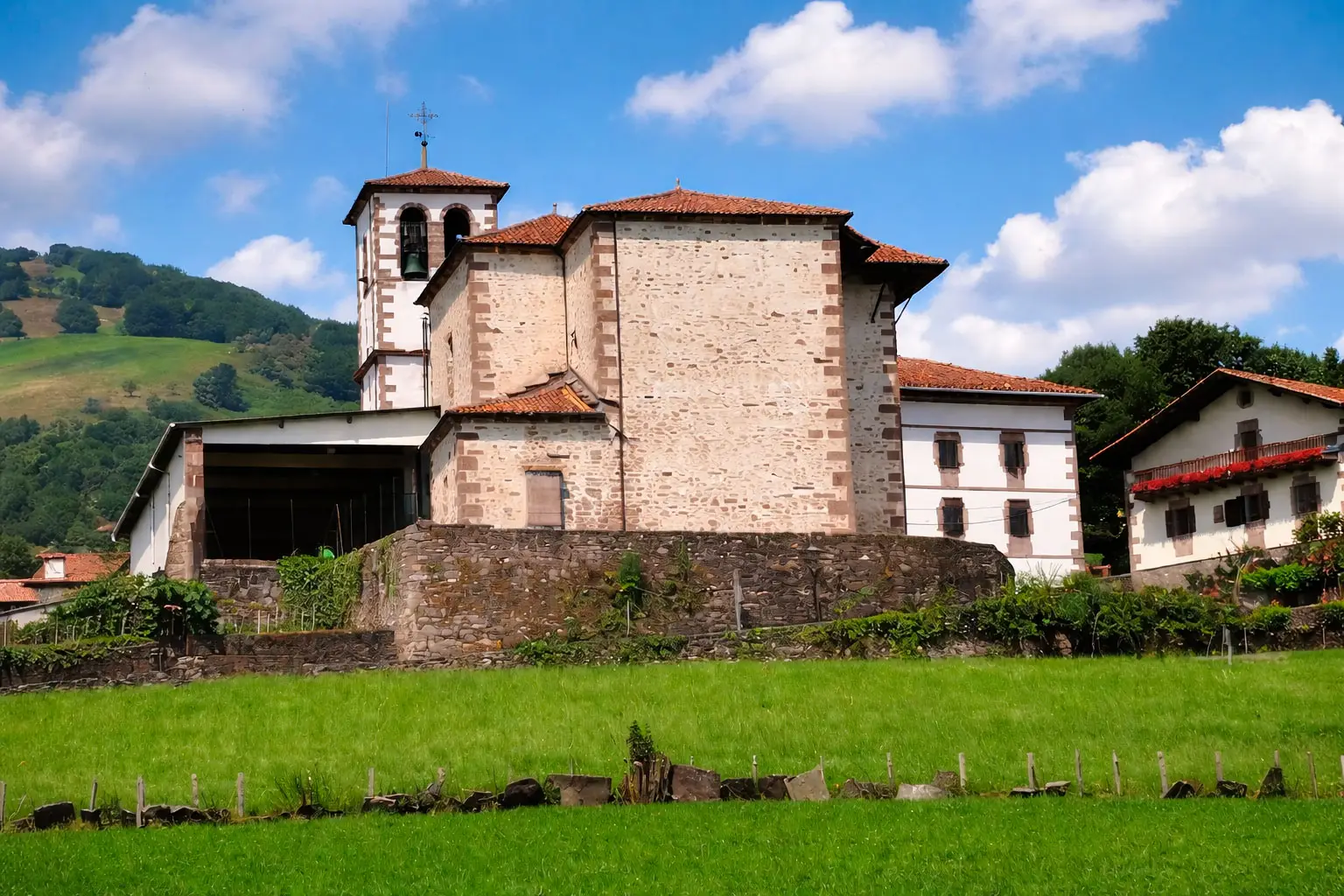
The Church of San Andrés in Azpilikueta is one of the most outstanding Baroque churches in the valley. The temple houses a remarkable 18th-century Baroque altarpiece, as well as other artistic elements of great interest. Its interior reflects the religious and cultural importance of Azpilikueta in the history of the Baztan Valley.
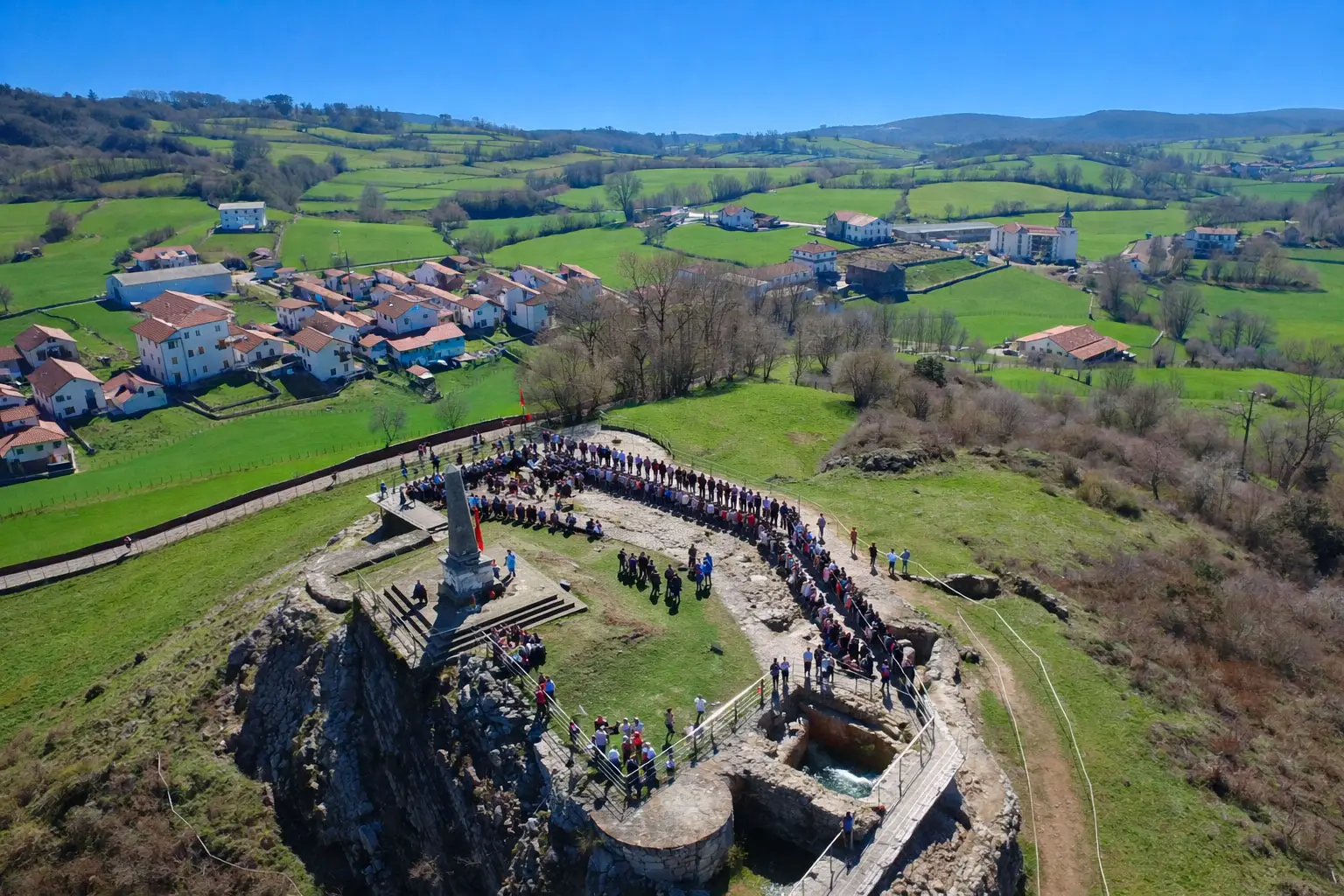
Amaiur Castle is one of the historical sites with the greatest symbolic significance in Navarre. Of medieval origin, the fortress was the setting for key events in the history of the former Kingdom of Navarre. Today, archaeological remains and a commemorative monolith are preserved, offering wide views over the valley.
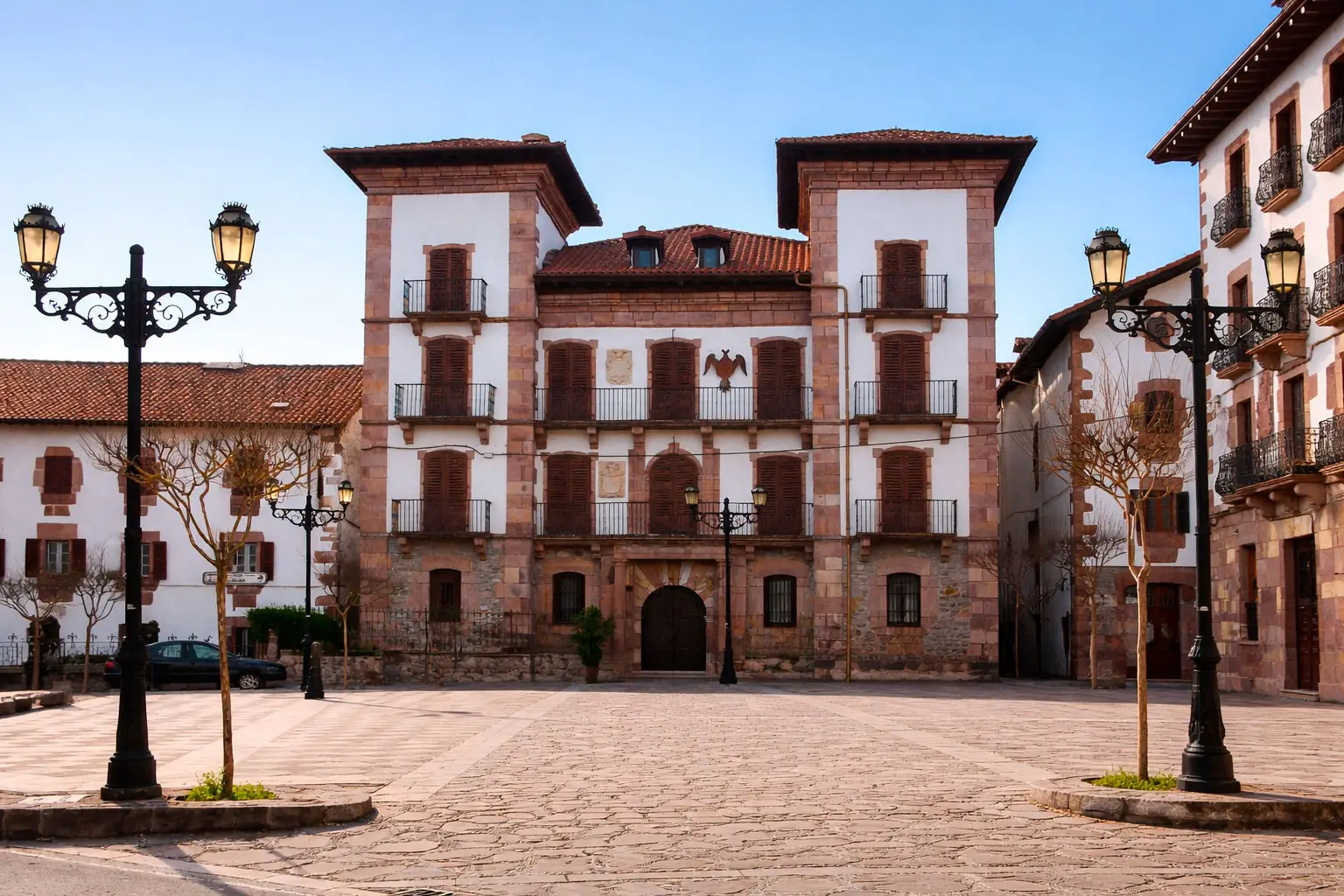
This palace, located in Irurita, is one of the most outstanding examples of Baroque noble architecture in the valley. Built in the 18th century, the palace reflects the economic and social power of the Goyeneche family. Its monumental façade and carefully designed structure make it a key reference in the civil heritage of Baztán.
The Monastery of San Salvador in Urdax is one of the most important historical-religious complexes in the area and a symbol of the valley’s monastic past. Founded by the Premonstratensian order, the monastery stands out for its sober architecture and its historical and artistic value. Over the centuries, it was an important religious and cultural centre, closely linked to local life and the rural surroundings of the Baztán.